
Health
Wisconsin joins federal lawsuit against Hims & Hers telehealth provider
By Katherine Langford
Advertisement · Why this ad?
Katherine oversees editorial operations across all six brands. Before joining The Meridan Group, she spent 14 years at the Minneapolis Star Tribune, where she led the metro desk through its digital transformation. She holds a Master's in Journalism from Northwestern's Medill School.
More from Katherine →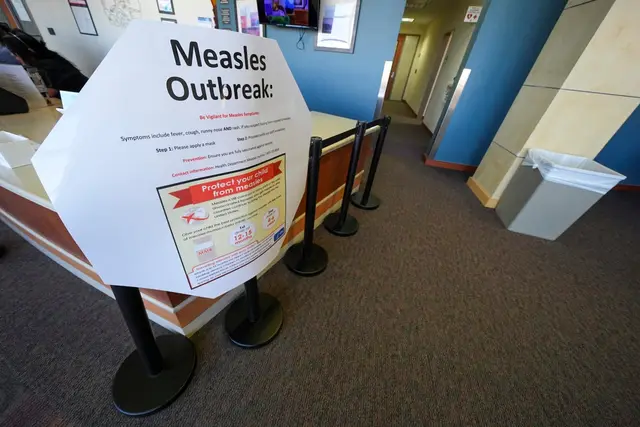
The quiet grief settling over Grant County is a stark reminder of the fragility of life and the enduring power of preventable illness. On Friday, state health officials confirmed the tragic death of a second child in the county due to measles, a virus most families haven’t encountered in generations. This follows closely on the heels of another devastating loss – the death of an infant just last week, marking the first measles-related fatality in Wisconsin since 1990. The Wisconsin Department of Health Services (DHS) has withheld specific details to protect the privacy of the grieving families, a gesture of compassion in a moment of profound sorrow.
The measles outbreak, which began in August 2026, has now reached a staggering 649 cases across 20 Wisconsin counties, representing the highest number of cases in the state in over 35 years. Centers for Disease Control and Prevention identifies Wisconsin as having the fourth-highest number of measles cases in the United States this year. The virus is exceptionally contagious, capable of causing severe complications such as pneumonia and brain swelling, particularly in young children under the age of five, pregnant women, and individuals with weakened immune systems. The recent deaths underscore the severity of the situation and the urgent need for preventative measures.
The Wisconsin Department of Health Services is working with local and Tribal health departments and providers to coordinate response efforts. As of November 13th, nearly 2,000 doses of the measles, mumps, and rubella (MMR) vaccine have been distributed to local health departments in affected communities. State Health Officer Paula Tran emphasized the importance of community action, stating, “Preventing the spread of measles takes action from all of us…we encourage everyone to work together to protect those who are most vulnerable.”
The news arrives alongside similar reports from other states facing measles outbreaks. Pennsylvania, currently leading the nation in measles cases, reported its seventh measles-related death on Friday. New York has also experienced a tragic loss, with a child succumbing to the virus, marking the state’s first measles death in more than 30 years. These parallel tragedies highlight a broader national concern and the challenges of containing highly contagious diseases.
Typically, doctors recommend the first dose of the MMR vaccine after a child’s first birthday. However, recognizing the heightened risk of exposure during this outbreak, the DHS last week advised that children as young as six months who are at increased risk should receive the vaccine. The two-dose MMR vaccine is remarkably effective, boasting a 97 percent efficacy rate in preventing measles and providing lifelong protection. While vaccinated individuals can still contract measles, they typically experience milder symptoms and are less likely to spread the virus. Individuals who received measles vaccinations prior to 1968 are encouraged to speak with their healthcare providers about receiving a booster shot, as the earlier vaccines were not as effective.
The emotional toll of these losses is palpable. DHS Secretary Kirsten Johnson, in a statement following the first death, expressed profound sorrow: “It is with a heavy heart we are reporting the first death of an infant connected with a measles outbreak in Wisconsin in many years. My heart is broken for the family.” She further emphasized that “any death of a child is a tragedy and even more so when it is related to a vaccine-preventable disease.” The news has understandably prompted concern and anxiety among families across the state, particularly in communities directly impacted by the outbreak. Residents are urged to remain informed and take proactive steps to protect themselves and their loved ones.
Health officials strongly advise anyone who suspects they have been exposed to measles or who develops a fever and rash after potential exposure to contact their healthcare provider immediately. To prevent the spread of the virus to others, individuals should call ahead to clinics and hospitals before visiting. This precaution allows healthcare facilities to implement appropriate infection control measures. Residents can check their vaccination records online using the Wisconsin Immunization Registry or by contacting their health care provider or local health department to ensure they and their families are up to date on recommended vaccinations. The Wisconsin Department of Health Services provides resources and information on vaccination schedules and record access.
The immediate priority remains containing the current outbreak and preventing further tragedies. Continued vaccination efforts, coupled with vigilant monitoring of cases, are crucial. The DHS is actively working to identify and isolate infected individuals and trace their contacts to prevent further spread. Beyond the immediate crisis, there’s a need for a broader conversation about vaccine hesitancy and the importance of public health initiatives in protecting vulnerable populations. The measles outbreak serves as a stark reminder of the collective responsibility we share in safeguarding the health and well-being of our communities, particularly the most vulnerable among us—our children.
The news of these two preventable deaths is profoundly unsettling. It’s a stark illustration of how easily a disease we thought relegated to textbooks can return to inflict pain and loss. While the science behind measles vaccination is clear and overwhelmingly positive, the resurgence of this virus speaks to a deeper societal challenge – a growing distrust of institutions and a willingness to embrace misinformation. The heartbreak experienced by these families is a tragedy that ripples through our entire community. It’s a moment for reflection, not just on the importance of vaccinations, but also on the value of shared responsibility and the vital role of strong families and communities in protecting one another. We must remember that public health isn't just about individual choices; it's about the collective good. The questions that remain are: how do we rebuild trust in public health messaging? How do we ensure that every child has access to the protection they deserve? And how do we foster a culture of care and compassion that prioritizes the well-being of our most vulnerable neighbors?
For more information about measles, vaccination, and outbreak updates, residents can access the following resources:
Image credit: Wisconsin Department of Health Services
The loss of these young lives is a solemn occasion, a call to action for all of us to prioritize the health and safety of our families and neighbors. By working together and embracing the proven tools of preventative medicine, we can strive to ensure that such tragedies never happen again.
By Katherine Langford

By Marcus Chen

By Marcus Chen

By Marcus Chen